

It’s easy to fall into the trap of only targeting new customers. Why spend paid media dollars to reach people who’ve already done business with you when you can allocate those efforts toward growing your customer base?
Similarly, it’s easy to target just existing customers. You already have their contact info and you know they’re qualified buyers since they’ve already bought from you, so why not try to maximize their lifetime value?
The truth is, you need to nurture both. Targeting only new customers can mean high-intent customers can get easily picked up by competitors encroaching on your PMA. Targeting only existing customers encircles your dealership with a shrinking pool of opportunity. The solution? Nurture both ends of the customer journey by combining both DMS data and conquest data.
What does it all mean?
Let’s start by defining in plain English what all of these are.
| Term | Definition |
|---|---|
| DMS data | Sales, service, and vehicle data you’ve gathered from your existing customer interactions. |
| Conquest data | Data for use in marketing campaigns that does not include anyone in your DMS. |
| Retargeting | Re-exposing people who have previously engaged with your business to new campaign messaging. |
| PMA | Stands for “primary market area,” essentially where you do business and where the bulk of your clients are. |
| Matchback reporting | Reporting that shows sold customers who were reached by a campaign. |
| BDC appointment setting | A BDC handles leads, connects with customers, and encourages them to book a time to come into the dealership. |
Your DMS is your Dealer Management System; it’s what houses all of the data about who and what is entering and exiting your dealership. Common DMS platforms include CDK, Reynolds & Reynolds, and Dealertrack, though there are many others.
In short, this is your DMS data and includes all the people who have already done business with you to some degree (sales or service).
Conquest data includes people who have never done business with you (meaning they wouldn’t be in your DMS) but are still strong prospects. Conquest marketing for dealerships could be owners of same-make vehicles in your market, shoppers in the same vehicle class, or even narrower audiences such as luxury-vehicle owners.
Utilizing your audiences
You’ll want to be in front of anyone with a strong likelihood to do business with you in the near future through the cost-effective means possible. Targeting your DMS data will often be the most cost effective through email and social retargeting since you’ve already acquired their contact information and need little more than a delivery method. Utilizing conquest audiences will incur acquisition costs, but those can be quickly recovered by still using email and social retargeting.
How to convince your audience
Visibility matters, but visibility with the right message matters more. It’s not just about the eyeballs you get in front of, but what they see and what that makes them want to do.
This is where your hardest-hitting offers can make a difference. Low APR offers and attractive leases are great, but they only perform when they’re compelling in the context of your local competition. This isn’t somewhere you’ll want to blend in; this is your opportunity to communicate your difference maker, and subsequently your deal maker.
How to reach your audience
For highly cost-effective marketing channels where you can best utilize your DMS data layered in with conquest data, you may consider email and social media as strong contenders.
Starting with automotive email marketing, you get direct contact with customers you already know that’s easily scalable with a relatively low direct cost. You email your conquest audience to get a feel for who’s worth keeping in the funnel based on their engagement.
Introducing social media, specifically with retargeting campaigns, allows you to keep top-of-mind for those people even outside their inbox. After all, few cars are sold after just one touchpoint—it’s about persistence.

How to know it’s working
Knowing how well a marketing campaign can get confusing fast, especially with the multitude of metrics available. Clicks, impressions, reach, CTR, and so on, there’s no shortage of numbers to look at. But which matter?
Ultimately, the “right” metrics depend on why you’re running the campaign in the first place. For most dealers, their end goal is selling more cars, so start there.
All else equal, have you sold more cars as a result of this campaign comparing month over month and year over year? Other metrics can support and explain why the campaign is performing, but your bottom line bears the truth.
What you need to launch
At first glance, a campaign like this can sound straightforward. Sometimes it is, but there are usually more moving parts behind the scenes.
For starters, you’ll need all the data. You’ll need your DMS data, you’ll need to clean that data, and you’ll need a process to source and define conquest audiences. You’ll also need an email platform capable of the segmentation and volume you’ll need to send out to both of these audiences. Of course, a compliance-aware approach is an important consideration as the laws about delivering to these audiences vary based on how the data is obtained.
Then comes the creative where you’ll include your hard-hitting offers, sized both for email as well as for social targeting. To get social retargeting up and running, you’ll need to connect the data with the campaigns and monitor for optimized delivery.
Not to mention, you’ll also need a way to handle all the newfound lead volume. Surely, there’s an easier way, right?
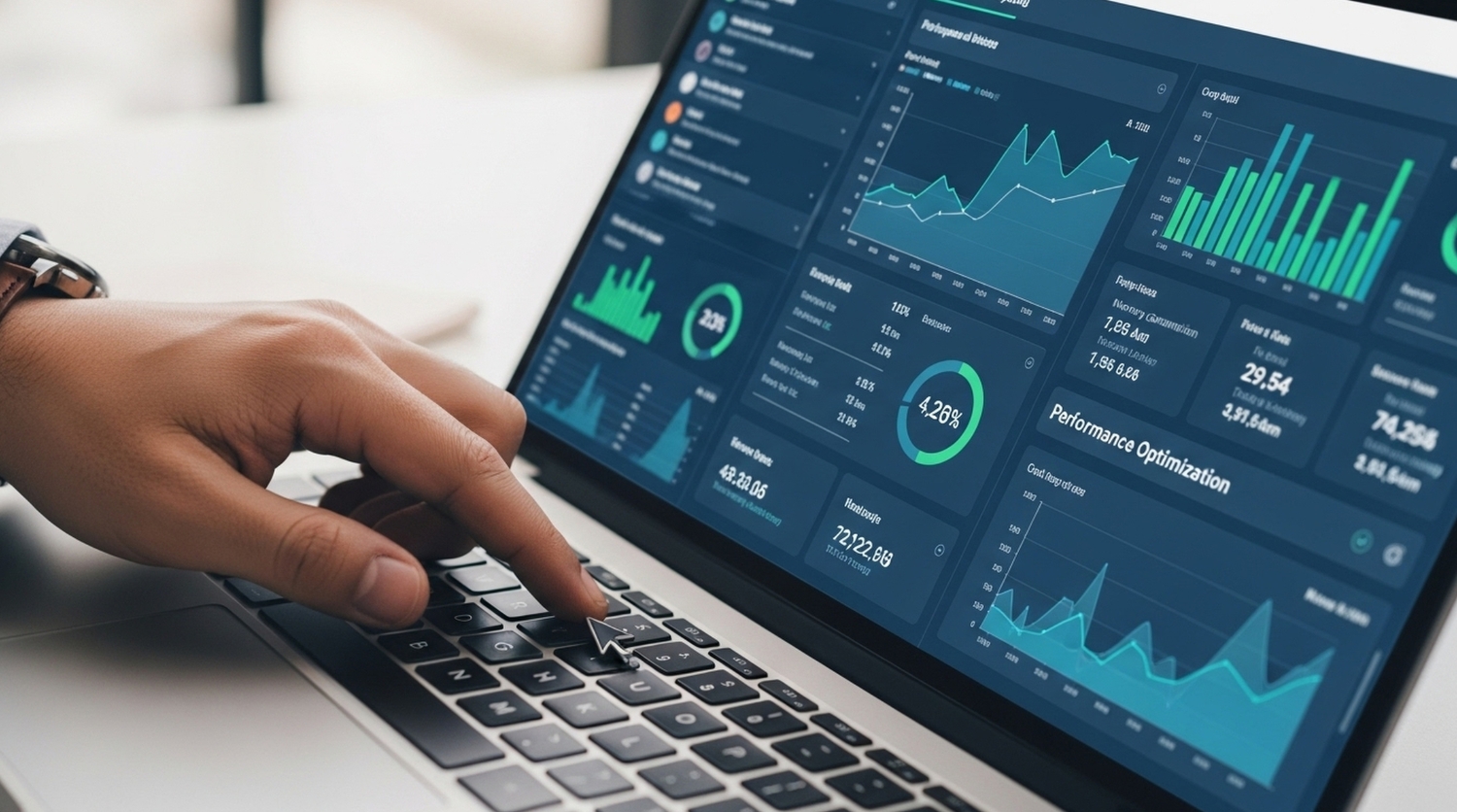
Find it all in CARS
If that sounds like a bit much, don’t worry. That’s exactly why we built the CARS program—a Complete Automotive Retail Solution that aggregates all of these components into a purpose-built program designed to drive sales through carefully selected data, precise campaign delivery, and follow-up support via a domestic, live BDC.
That way, your team can stay focused on what you do best: taking appointments, welcoming showroom traffic generated by increased awareness, and closing deals.
Want to learn what CARS can do for your dealership? Get in touch with us today to start the conversation for your dealership.
